

Treating Dental Problems Early Is the Foundation of Holistic Dentistry
For almost 30 years, Dr. Jennifer Ebner, a trusted biological dentist in the Biltmore area of Phoenix, Arizona, has helped patients understand a different, more proactive approach: treat dental issues and disease when they are small, before they become destructive.
At her practice, the focus isn’t just on fixing teeth. It’s on protecting your long-term health through early detection, minimally invasive treatment, and a respect for the connection between oral health and the rest of the body.

Dental Veneers: How Many Are Enough?
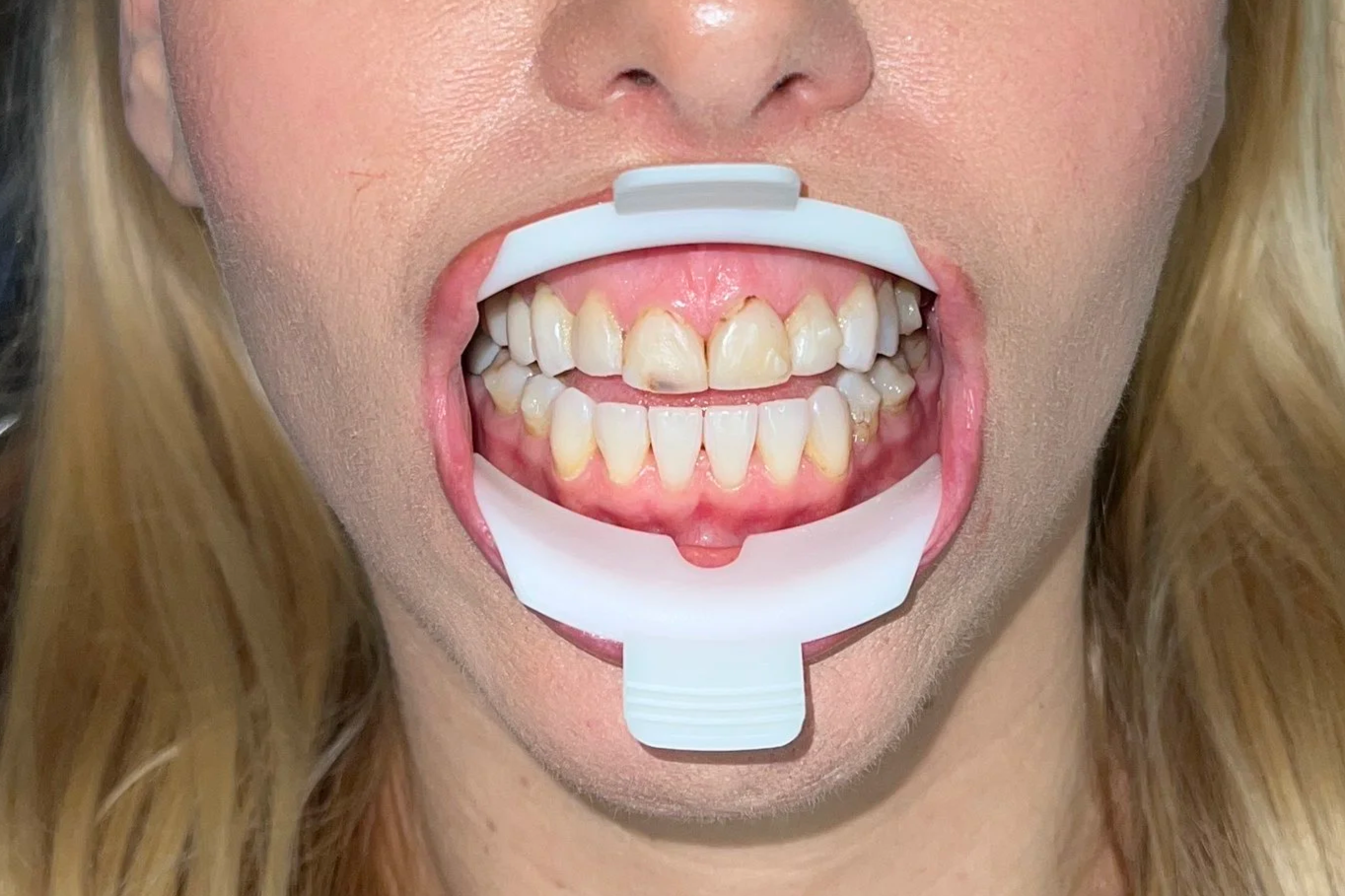
Choosing the right number of dental veneers can make the difference between a subtle smile refresh and a complete smile transformation. For patients considering cosmetic dentistry in Phoenix, Arizona, understanding how many veneers you may need depends on your smile goals, facial features, bite alignment, and how much of your teeth show when you smile or speak. Some patients achieve beautiful results with as few as 4–6 front veneers, while others benefit from 8–10 or more veneers for a fuller, more balanced smile.
Proudly serving patients throughout Phoenix, Arcadia, the Camelback corridor, and the Biltmore area, our practice helps patients feel confident in their smiles with conservative, customized veneer treatments. Whether you’re looking to correct chips, gaps, discoloration, or uneven teeth, this guide will help you understand your options and make an informed decision about how many veneers may be right for your smile.

13 Modern and Holistic Ways to Avoid Jaw Bone Cavitations
13 modern and holistic ways to avoid getting a jaw bone cavitation. Avoiding cavitations is essential for maintaining optimal dental health. By following these 13 practical tips, you can significantly reduce your risk of developing these harmful dental bone issues. From addressing dental infections early to protecting the jaw after dental surgery, these strategies focus on strengthening your healing bone after damage from infections or extractions, ensuring that you keep your smile healthy.

How Does A Cavitation Form In Bone?
Cavitations form when the bone fails to heal correctly after an injury or a dental procedure. The process begins with necrotic bone or tissue becoming trapped in the area, leading to poor blood supply, inflammation, and the accumulation of abnormal tissue. Over time, this creates a pocket of irregular tissue in the jawbone, disturbing its normal structure and function.

What is a Cavitation?
A jawbone cavitation is a term used to describe a problem in the jaw where the bone is poorly mineralized, meaning it hasn’t formed bone properly and isn’t as strong as it should be. In these areas, the bone is often replaced by abnormal or unhealthy tissue instead of normal, healthy bone.

Discover the Power of Platelet-Rich Plasma: 10 Reasons Why You Need PRP For Your Dental Surgery Recovery. The Ultimate Holistic Advantage
10 Reasons Why Dr Jennifer Ebner uses Platelet-Rich Plasma (PRP) in all her tooth extractions, bone grafts and dental implants:

What causes a gummy smile? Do I need bigger teeth or smaller gums?
How Do I Improve My Gummy Smiles and Small Teeth
Smiling is often considered a universal language of happiness and connection. However, for individuals with a gummy smile or small teeth, it can sometimes cause self-consciousness and hesitation. We will explore the reasons behind a gummy smile and small teeth, discuss various procedures to address these concerns, and highlight the benefits of achieving a more balanced and confident smile.